
What to Look For in a Budgeting App
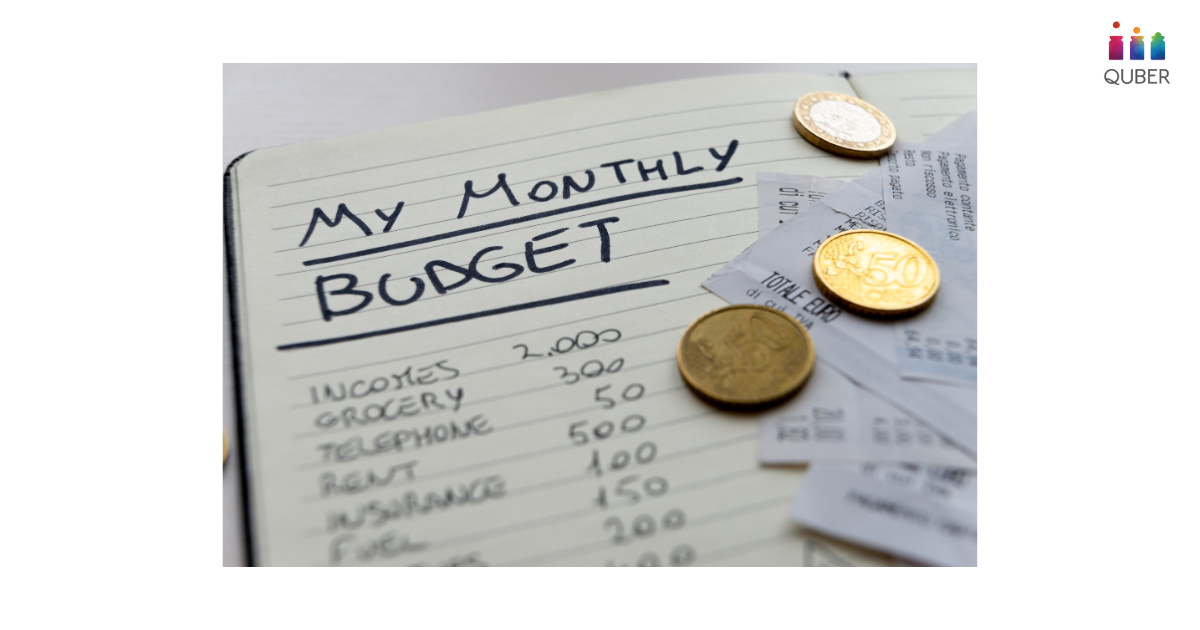
The best budgeting app is the one that matches how money actually arrives in your account. If you're paid every week or every two weeks, a budget built around the calendar month can leave you short before payday, even when the month adds up on paper.
Why a Budget Matters
A budget is a plan for your money before it's spent. Without one, spending drifts: a few extra takeout meals, a forgotten subscription, a late bill. Savings get pushed to "next month."
It doesn't have to be complicated. Knowing what comes in, what goes out and what's left is enough to start making better decisions every day.
What to Look For in a Budgeting App
- It plans around your pay schedule. Weekly, biweekly and semi-monthly pay don't line up with monthly bills. A good app shows which bills each paycheque needs to cover.
- It looks ahead, not just back. Seeing where last month's money went is useful. Seeing what's left after the bills coming up is what keeps you from running short.
- It helps you save, not just track. The money you plan to save should move automatically, before you have a chance to spend it.
- It's simple enough to keep using. A rough plan you check every payday beats a detailed one you abandon after two weeks.
Why Your Pay Schedule Changes Everything
Say you're paid $1,800 every two weeks, on the 10th and the 24th, and your $1,400 rent is due on the 1st. A monthly budget says you earn about $3,600 and can easily cover rent. But in real life, the paycheque on the 24th has to hold most of the rent until the 1st, so spending from that paycheque needs to stay small.
Twice a year, you'll also get a third paycheque in the same month. Without a plan, it tends to disappear. With one, it's an easy way to catch up on savings.
How QUBER Does It
QUBER is a budgeting app that works around your paydays. It spreads your bills across your paycheques, shows what you can spend until your next payday, and sets your savings aside automatically, so budgeting and saving happen in one place.
You can subscribe on your own, or get QUBER through an employer or group that covers the cost.
How to Get Started in a Few Minutes
- Start with your income: what actually lands in your account after deductions, and how often.
- List your fixed costs: rent, utilities, subscriptions, loan payments, and when each one is due.
- Match each bill to the paycheque that will cover it.
- See what's left: that's your real spending room until your next payday.
- Set a savings goal: even a small automatic contribution each payday adds up.
You don't need a perfect budget on day one. A rough plan beats no plan at all.
Keep reading: Your Wallet Just Got the Memo and If You Save Me Today, I Will Save You Tomorrow